History
History
The story of Porsche begins not with a sports car, but with the visionary engineering of Ferdinand Porsche, who founded his design consultancy in Stuttgart in 1931. Before the company ever bore his name on a production chassis, Ferdinand was responsible for landmark designs like the original Volkswagen Beetle. However, it was his son, Ferry Porsche, who realized the dream of a dedicated sports car. Following World War II, Ferry famously remarked that he couldn't find the car he dreamed of, so he decided to build it himself. This led to the 1948 debut of the Porsche 356, a hand-built, aluminum-bodied car that utilized Volkswagen components but prioritized lightweight agility and aerodynamic efficiency.
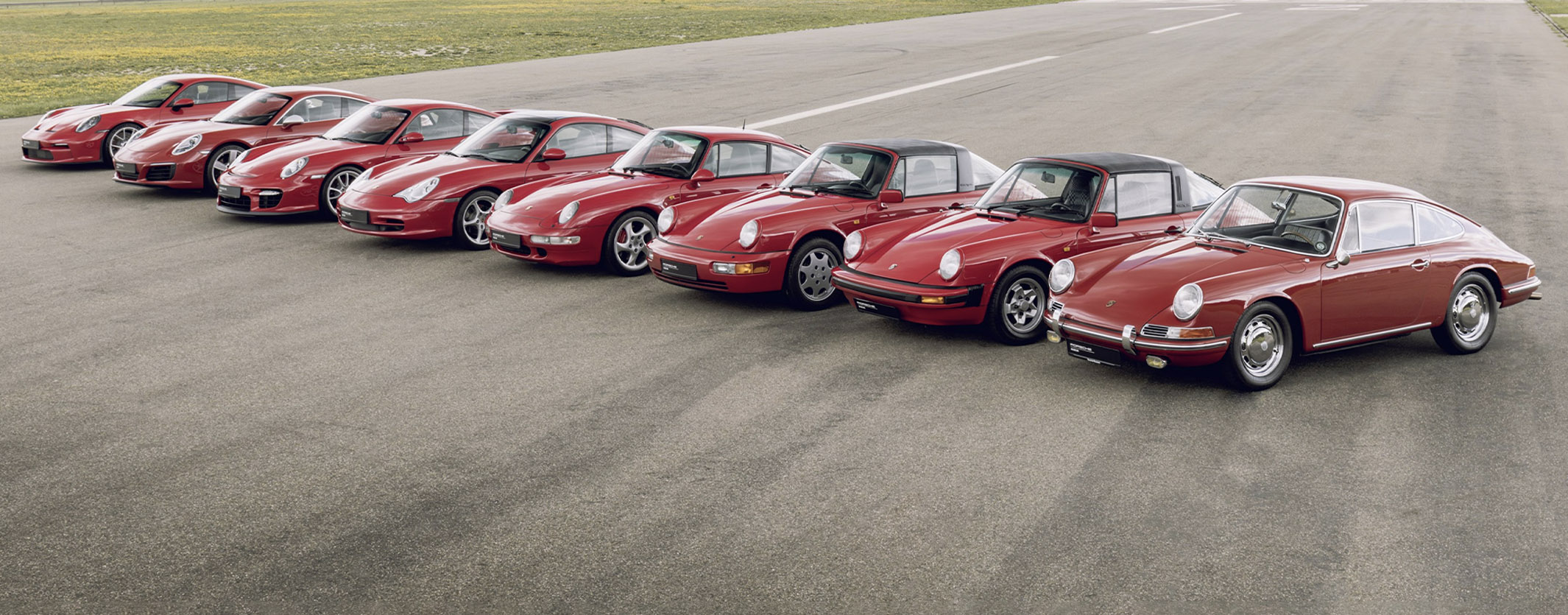
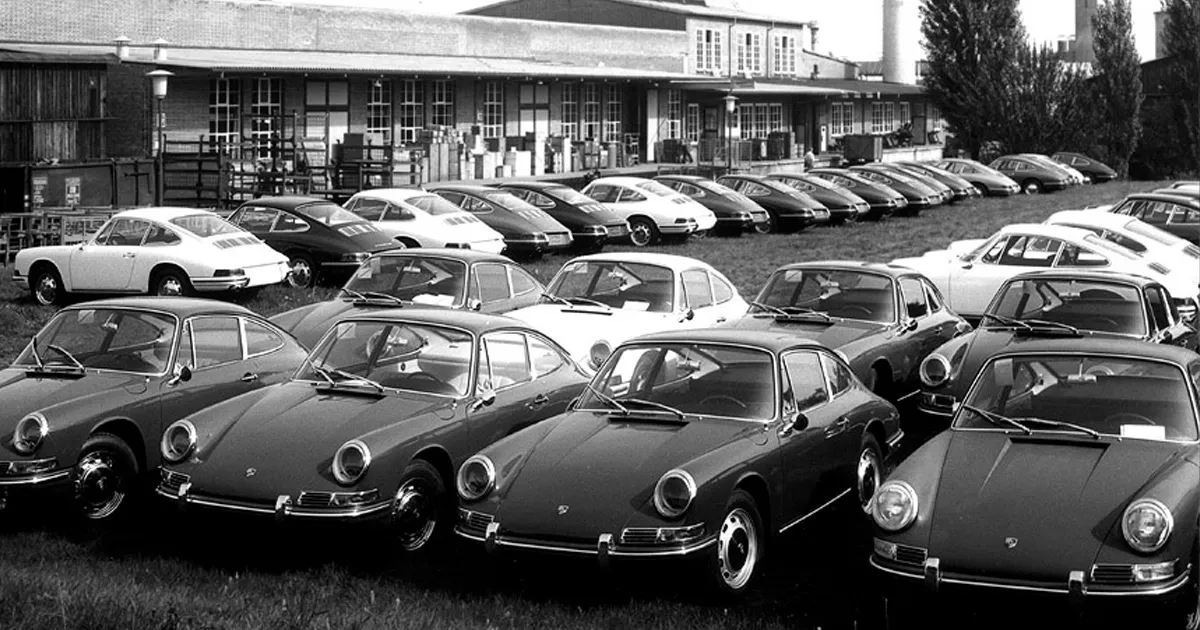
The 1960s marked the birth of an icon that would define the brand’s identity for over half a century: the Porsche 911. Introduced in 1963 as the 901, this rear-engine masterpiece replaced the 356 and quickly became a benchmark for performance and everyday usability. While the 911 evolved through various air-cooled and eventually water-cooled generations, Porsche simultaneously cemented its legacy on the racetrack. With dominant victories at the 24 Hours of Le Mans and in grueling rallies like the Paris-Dakar, Porsche earned a reputation for "engineering excellence," proving that their road cars were born from the rigors of high-speed competition.
In the modern era, Porsche successfully navigated the transition from a niche sports car manufacturer to a global luxury powerhouse. Facing financial headwinds in the 1990s, the company pivoted with the introduction of the Boxster and the groundbreaking—if then controversial—Cayenne SUV in 2002. These moves provided the capital necessary to keep the 911 at the cutting edge of technology while expanding into new segments. Today, Porsche is leading the shift toward electrification with the Taycan, blending its historic commitment to driver engagement with sustainable, high-voltage performance, ensuring that the spirit of Ferry Porsche’s original dream survives in a digital age.