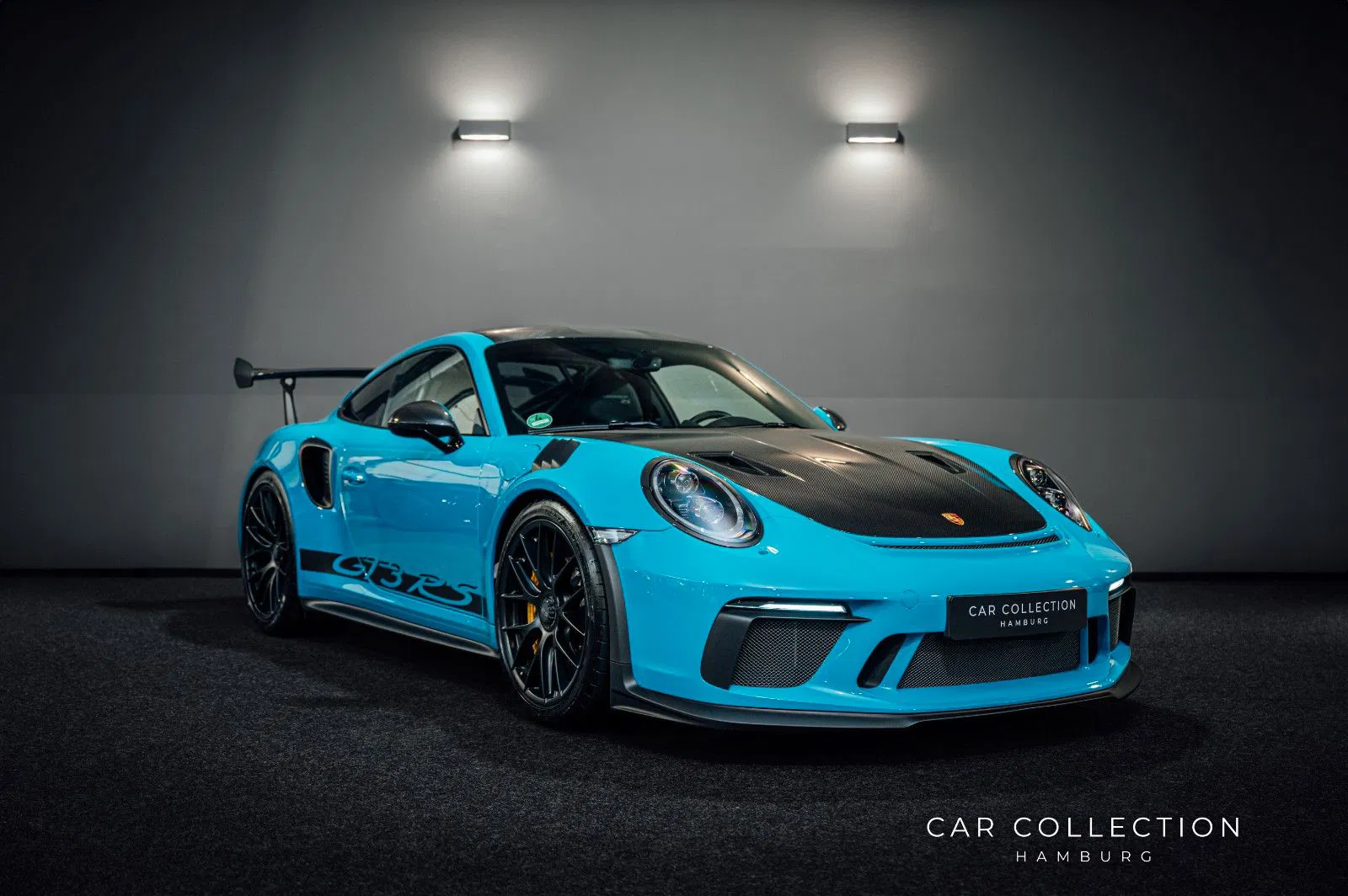
Porsche 911
Porsche 911
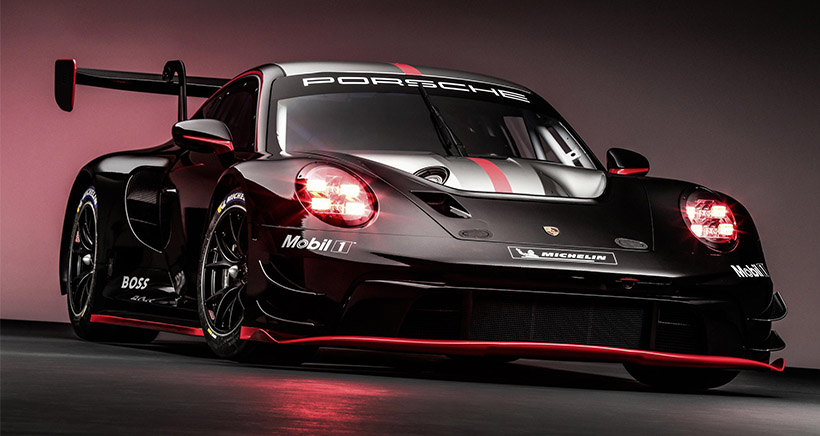
The Porsche 911 is an enduring icon of automotive engineering, celebrated for its unique rear-engine layout and timeless silhouette that has remained largely unchanged for over 60 years. First unveiled at the 1963 Frankfurt Motor Show as the 901 (later renamed to 911 due to a naming dispute with Peugeot), the model replaced the Porsche 356 and introduced the world to the high-performance flat-six engine. Its distinctive fastback design, round headlights, and five-gauge instrument cluster have become universal hallmarks of the brand, contributing to its status as a "Car of the Century" finalist.
Technological evolution has been a constant throughout the 911's eight generations, from the introduction of turbocharging in the 1970s with the legendary "Whale Tail" 930 Turbo to the pivotal shift from air-cooled to water-cooled engines in 1998. The current 992 generation continues to push boundaries, recently introducing the first road-legal T-Hybrid performance powertrain in the 2025/2026 Carrera GTS models. Modern variants like the 911 Turbo S now deliver up to 701 horsepower, achieving 0-60 mph in a blistering 2.4 seconds, while maintaining the everyday usability that makes the 911 unique among supercars.
Beyond the road, the 911 has a storied motorsport legacy, claiming over two-thirds of Porsche's 30,000+ total race victories. Its dominance spans prestigious events such as the 24 Hours of Le Mans, the Targa Florio, and the Monte Carlo Rally, where it proved the reliability of the rear-engine concept under extreme conditions. This "test lab" on the track has directly influenced street-legal innovations, from the first production rear spoiler on the 1973 Carrera RS 2.7 to the active aerodynamics found on today's 911 GT3 RS.
- 0-60 mph in 3.2s
- 502hp
- 193 mph top speed